Photo: DJI Europe / Mynewsdesk — Media Use · Media Use
Tests
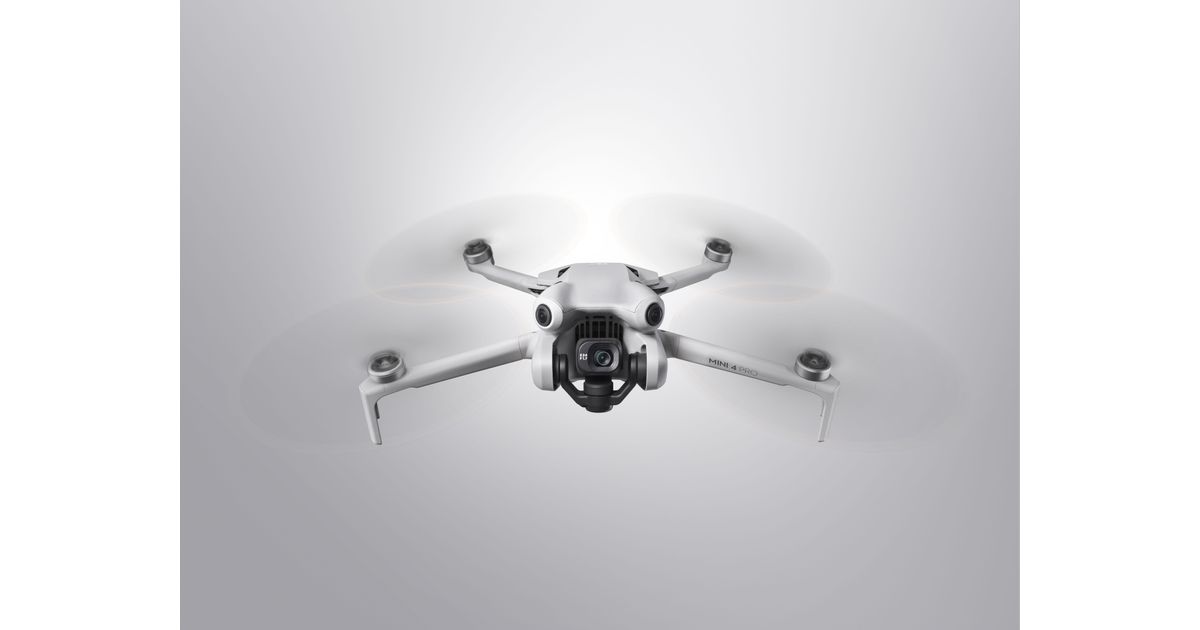
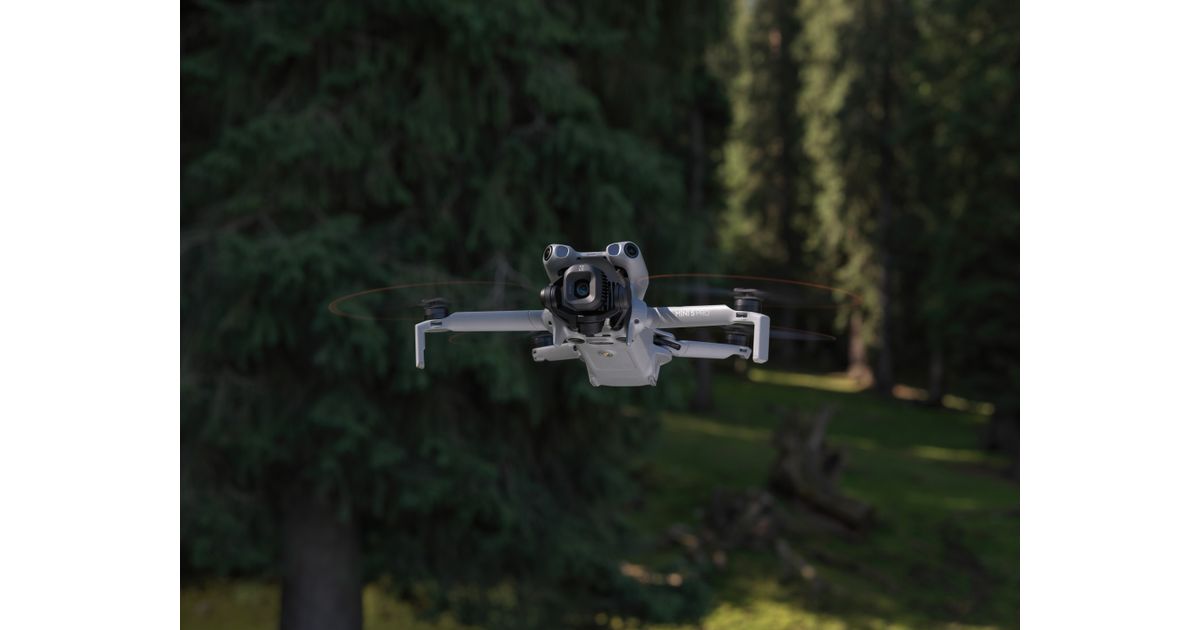
Mini 5 Pro: the 2× crop and wind figures explained
A long-term test puts DJI’s camera and wind specifications in context.
Read
Models and published coverage in DroneAtlas.
Manufacturer specifications, with sources and limitations. Maximum flight figures are measured under test conditions and are not a promised flight duration.
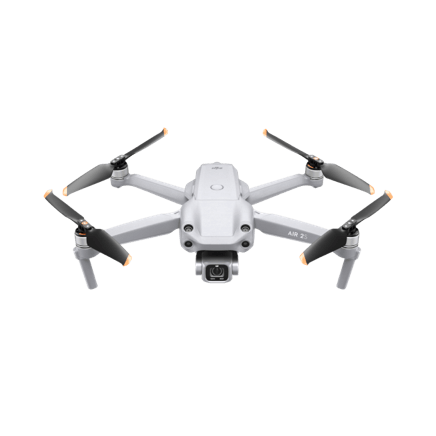
Official manufacturer render of DJI Air 2S.
Photo: DJI · Manufacturer product image; rights remain with the rights holder.
A folding camera drone with a one-inch 20 MP CMOS sensor and 5.4K/30fps recording.
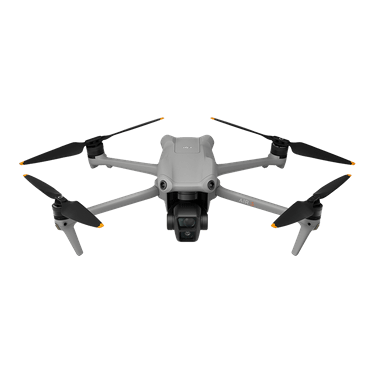
One DJI Air 3 configuration is shown. Equipment depends on the selected version.
Photo: DJI · Manufacturer product image; rights remain with the rights holder.
A folding two-camera drone with separate wide and medium-telephoto cameras, both using 1/1.3-inch sensors.
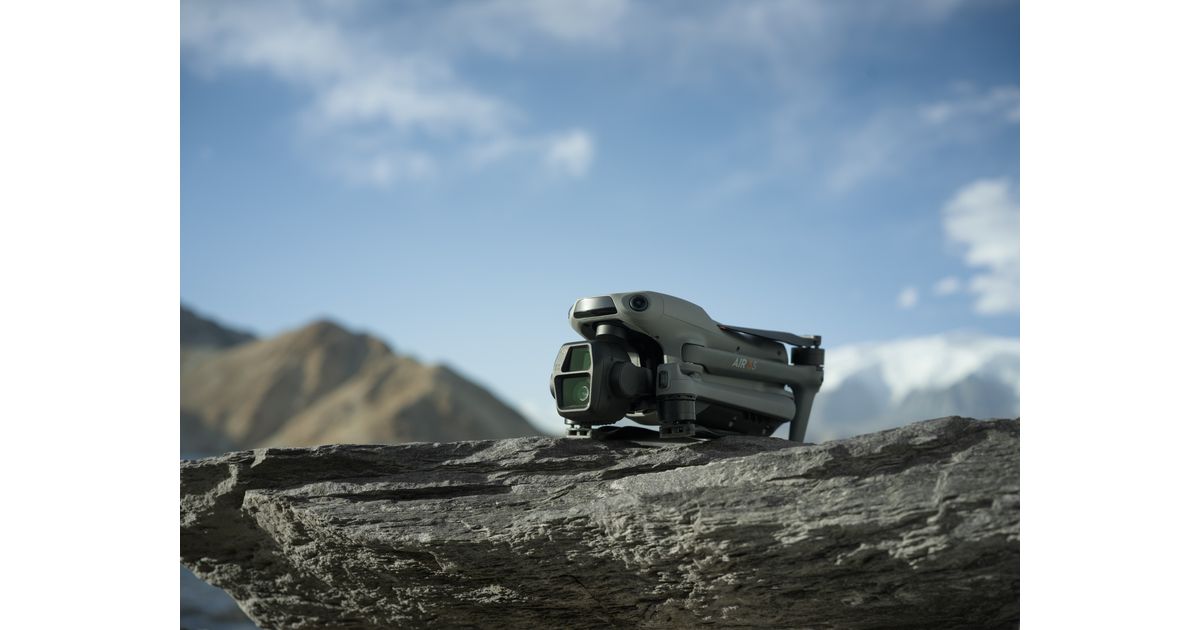
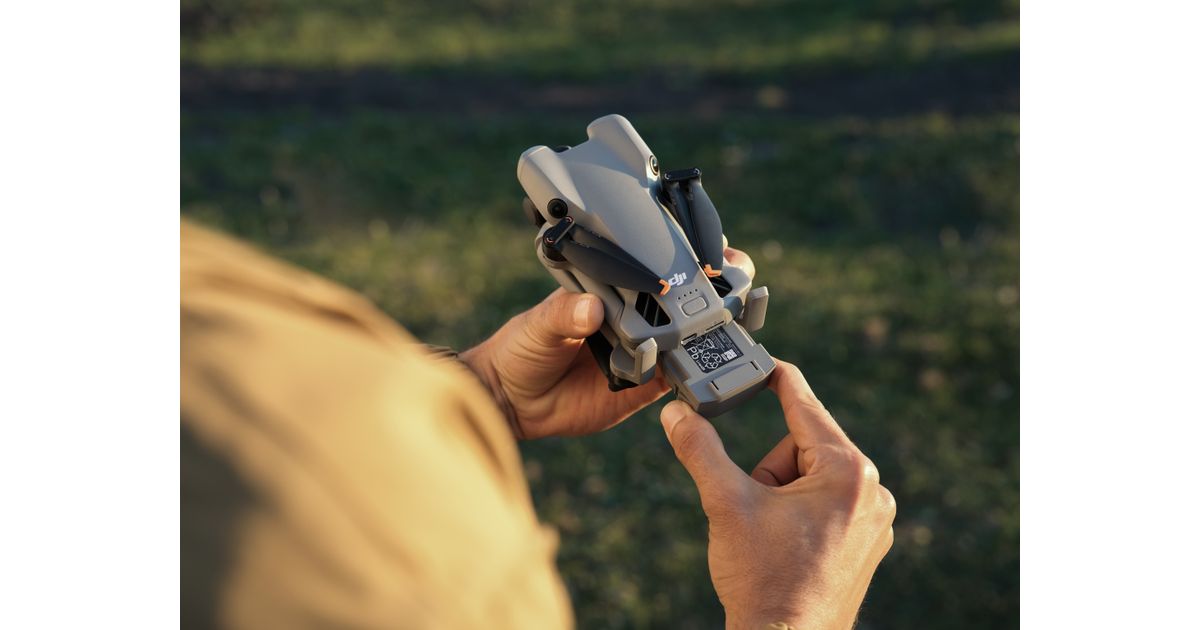
Folded DJI Air 3S resting on a rock. Official DJI Europe image.
A folding two-camera drone with a one-inch wide camera and a separate medium-telephoto camera.
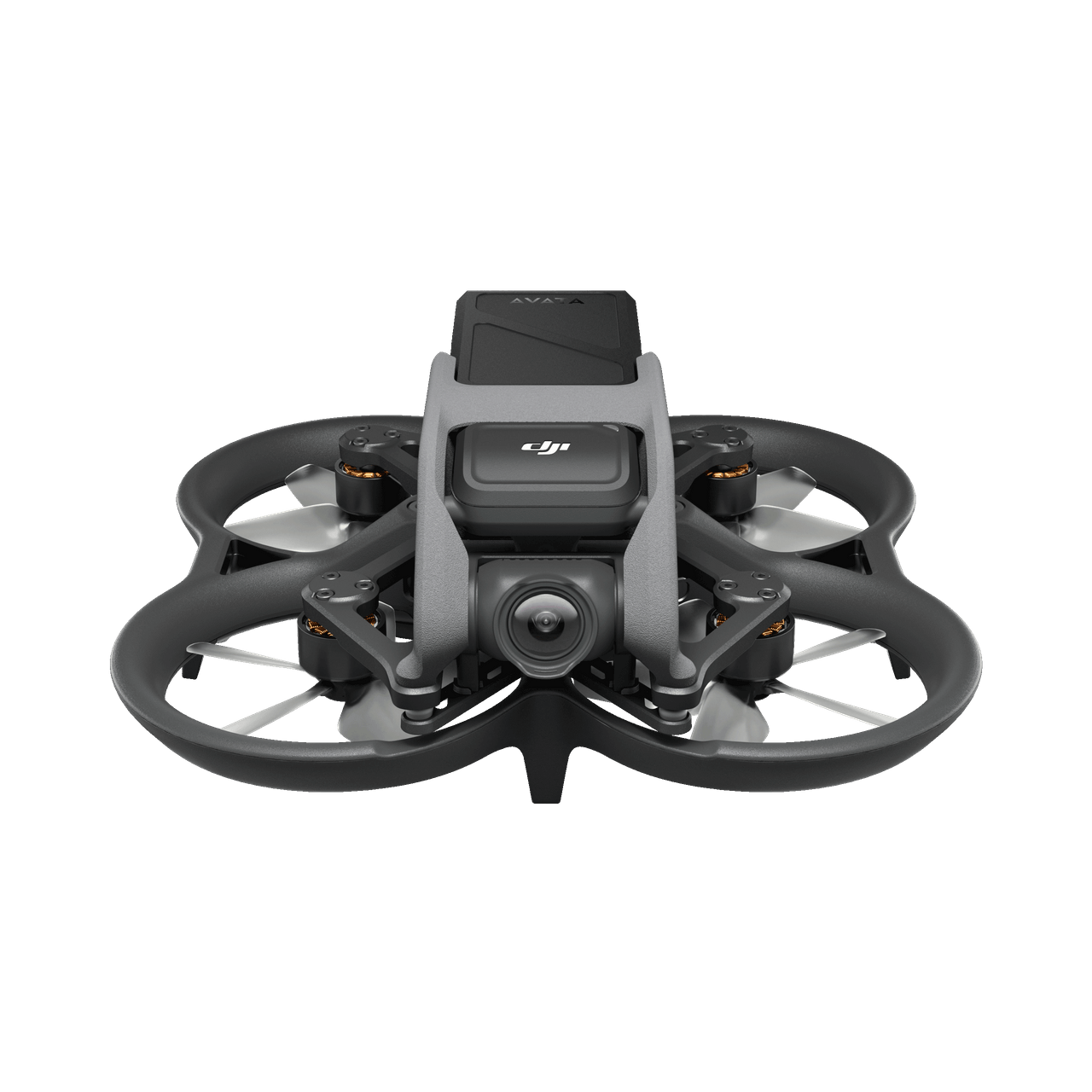
Official DJI product render of DJI Avata.
Photo: DJI · Manufacturer product image; rights remain with the rights holder.
The original Avata is a cinematic FPV drone with built-in propeller guards, a 1/1.7-inch camera, 4K/60 recording and 20 GB of internal storage. The pilot views the camera feed through compatible DJI goggles. Its single-axis gimbal works alongside RockSteady or HorizonSteady electronic stabilization.
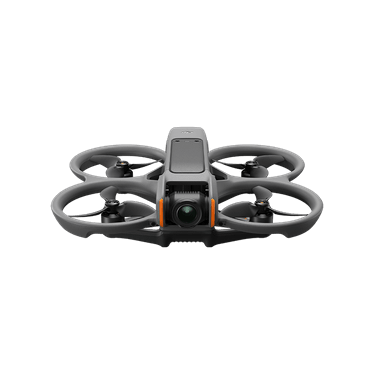
One DJI Avata 2 configuration is shown. Equipment depends on the selected version.
Photo: DJI · Manufacturer product image; rights remain with the rights holder.
An FPV camera drone with fixed propeller guards, a 1/1.3-inch sensor and onboard recording.
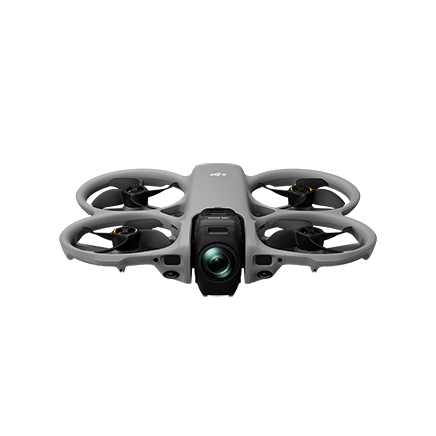
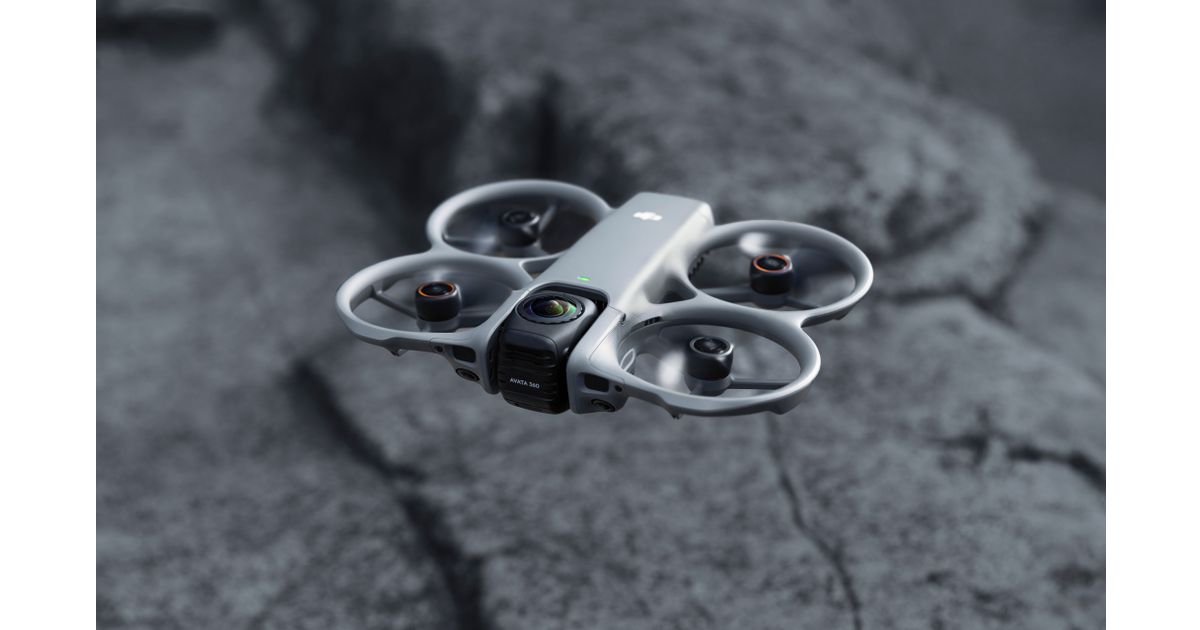
Official manufacturer render of DJI Avata 360.
Photo: DJI · Manufacturer product image; rights remain with the rights holder.
An FPV camera drone with two 1/1.1-inch square CMOS sensors, each with 64 MP effective pixels, for 360-degree capture.
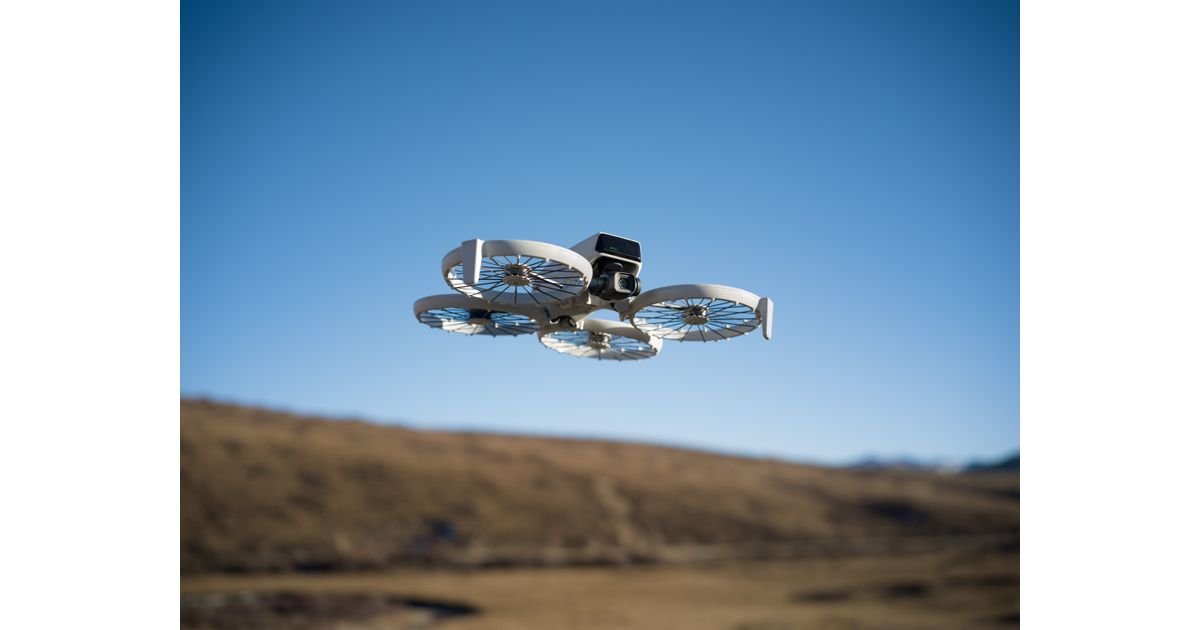
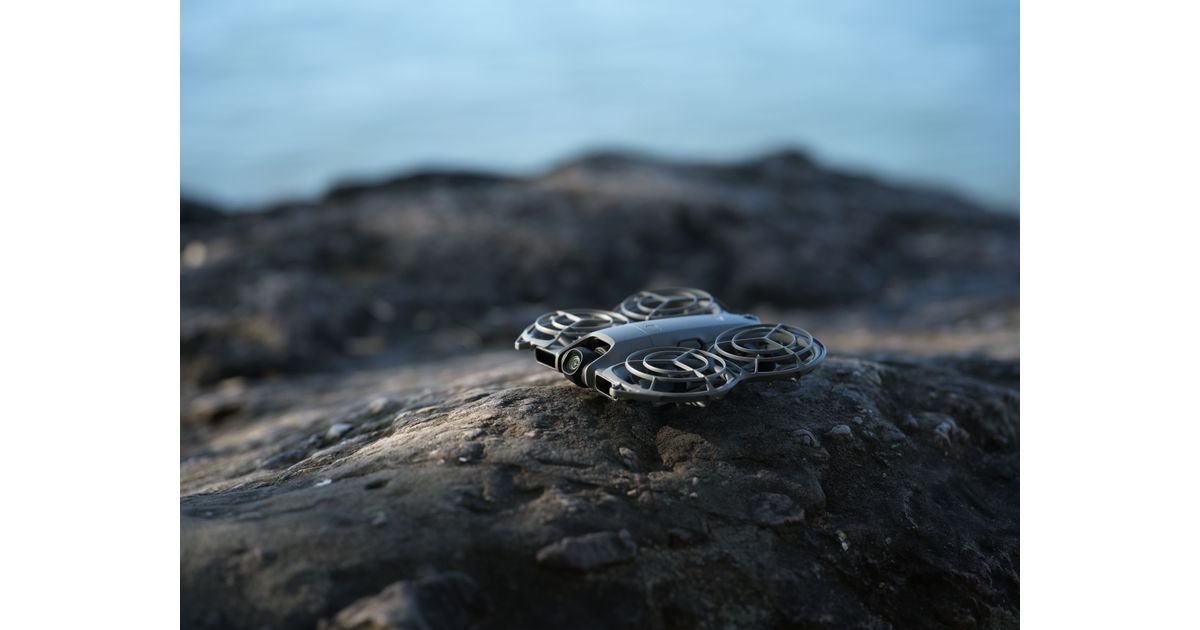
DJI Flip flying with its circular propeller guards visible. Official DJI Europe image.
A folding camera drone with integrated full-coverage propeller guards and a one-button shooting interface.
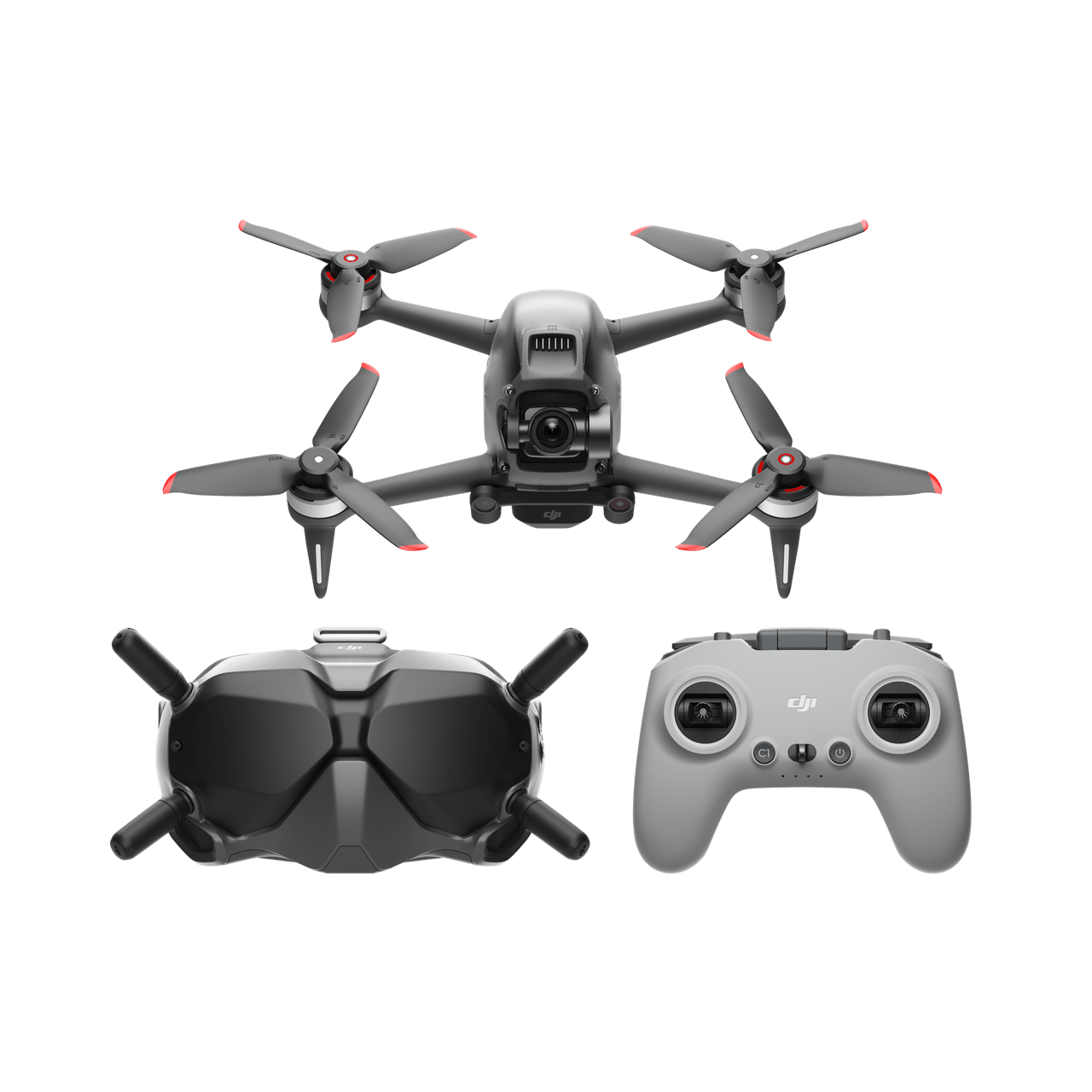
DJI FPV aircraft shown with DJI FPV Goggles V2 and DJI FPV Remote Controller 2.
Photo: DJI · Manufacturer product image; rights remain with the rights holder.
DJI FPV is a 2021 camera aircraft for immersive moving shots, with 4K/60 recording, RockSteady stabilization and DJI’s O3 video link. At about 795 g before goggles and controller, it occupies considerably more travel luggage than a small folding camera drone. DJI lists the aircraft as no longer available.
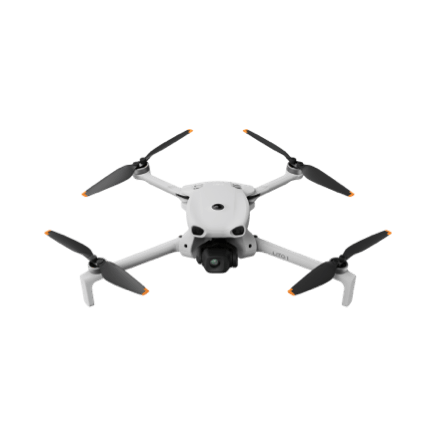
Official manufacturer render of DJI Lito 1.
Photo: DJI · Manufacturer product image; rights remain with the rights holder.
A folding camera drone with a 1/2-inch 48 MP sensor, ActiveTrack and a manufacturer-stated standard takeoff weight of about 249 g.
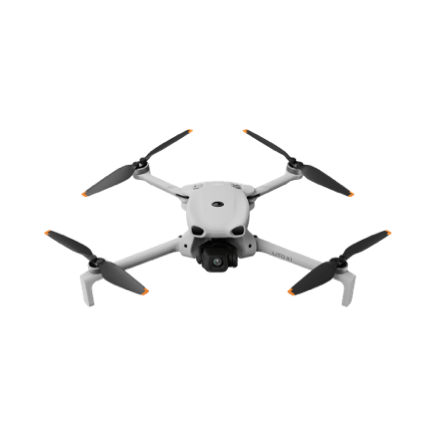
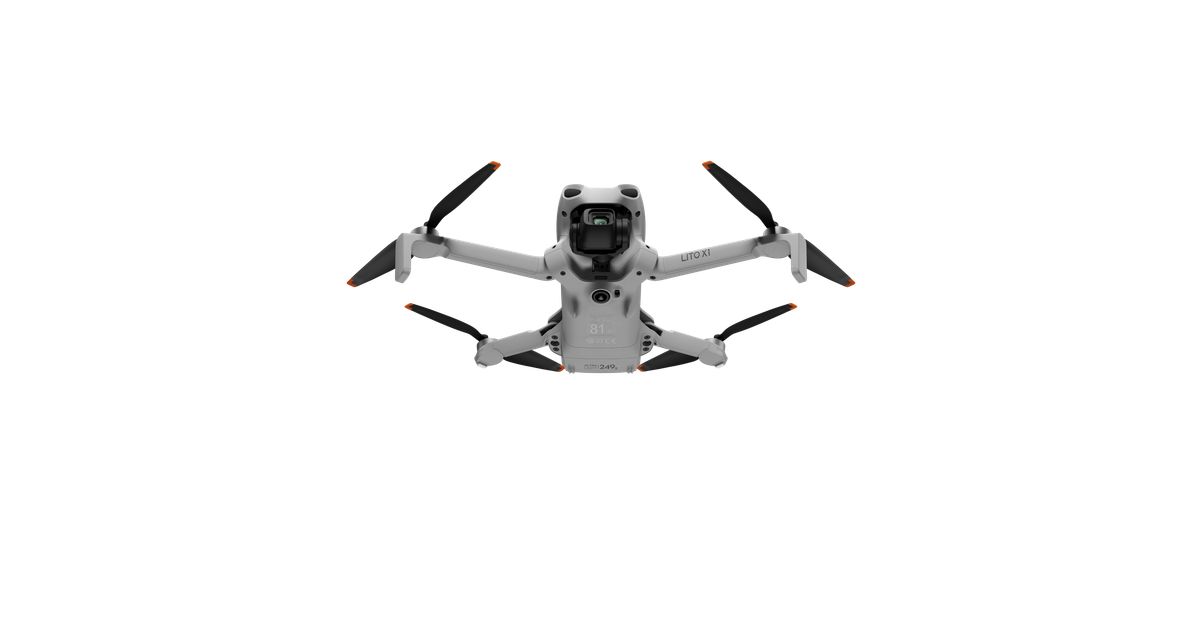
Official manufacturer render of DJI Lito X1.
Photo: DJI · Manufacturer product image; rights remain with the rights holder.
A folding camera drone with a 1/1.3-inch 48 MP sensor, ActiveTrack and a manufacturer-stated standard takeoff weight of about 249 g.
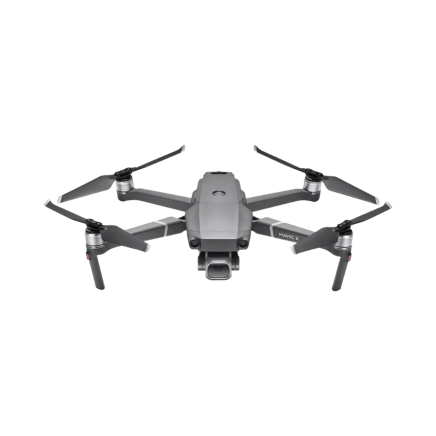
Official manufacturer render of DJI Mavic 2 Pro.
Photo: DJI · Manufacturer product image; rights remain with the rights holder.
A folding camera drone with a one-inch 20 MP CMOS sensor.
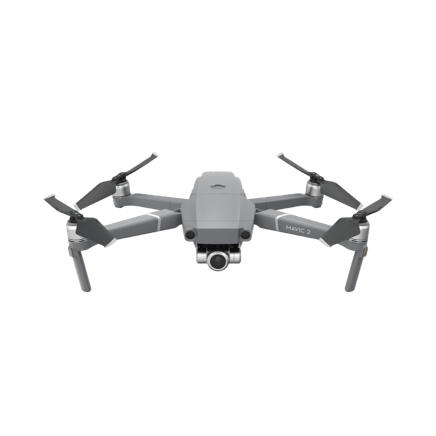
Official manufacturer render of DJI Mavic 2 Zoom.
Photo: DJI · Manufacturer product image; rights remain with the rights holder.
A folding camera drone with a 1/2.3-inch 12 MP CMOS sensor and a 24–48 mm equivalent zoom lens.
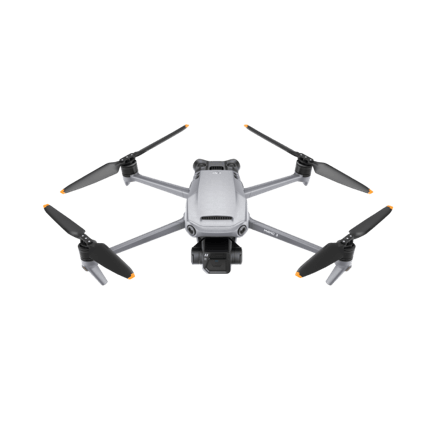
Official manufacturer render of DJI Mavic 3.
Photo: DJI · Manufacturer product image; rights remain with the rights holder.
A folding dual-camera drone with a 4/3-format Hasselblad main camera and a separate tele camera.
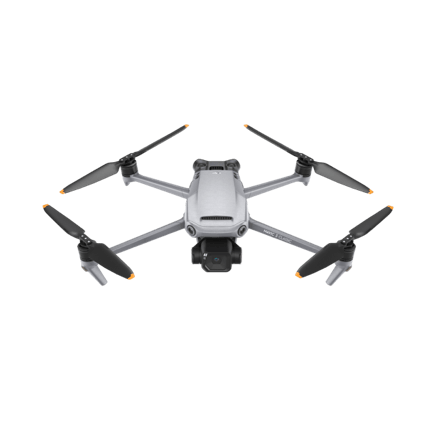
Official manufacturer render of DJI Mavic 3 Classic.
Photo: DJI · Manufacturer product image; rights remain with the rights holder.
A folding camera drone with a 4/3-format 20 MP camera.
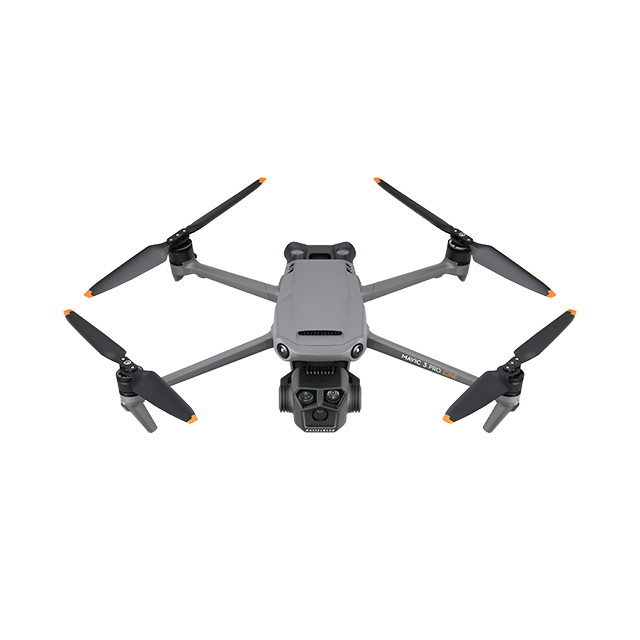
Official manufacturer render of DJI Mavic 3 Pro.
Photo: DJI · Manufacturer product image; rights remain with the rights holder.
A folding camera drone with a 4/3-format Hasselblad camera, a 70 mm medium-tele camera and a 166 mm tele camera.
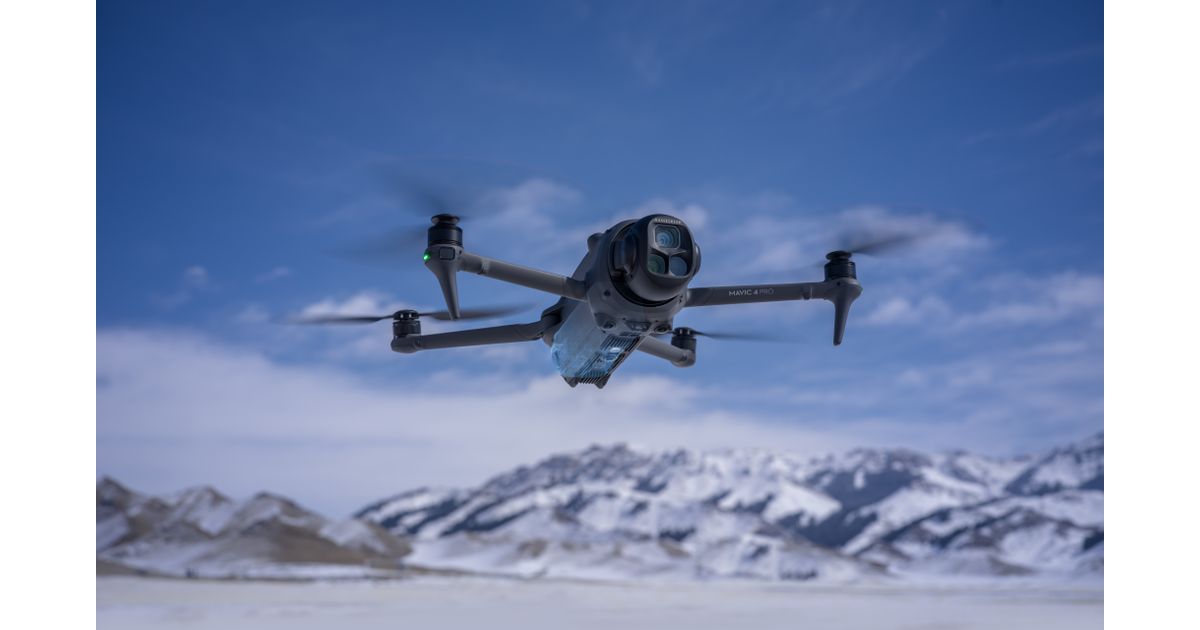
DJI Mavic 4 Pro flying above snowy mountains. Official DJI Europe image.
A large folding three-camera drone with a Four Thirds main sensor, rotating gimbal and separate telephoto cameras.
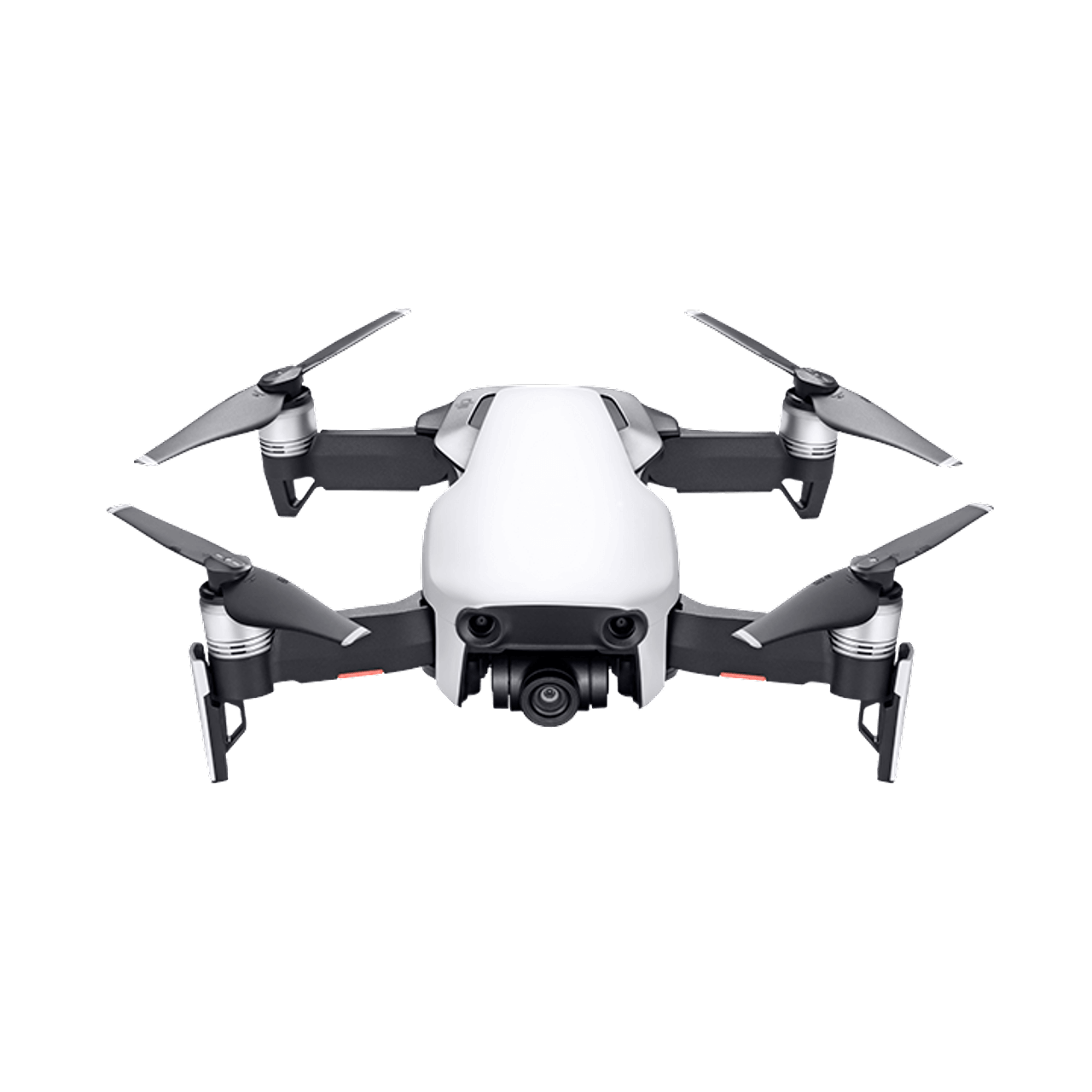
Official DJI product render of Mavic Air.
Photo: DJI · Manufacturer product image; rights remain with the rights holder.
Mavic Air is DJI’s 430 g folding camera drone from 2018, with 4K/30 recording, a three-axis gimbal and 8 GB of internal storage. It folds to 168 × 83 × 49 mm and supports ActiveTrack. DJI lists the model as no longer available.
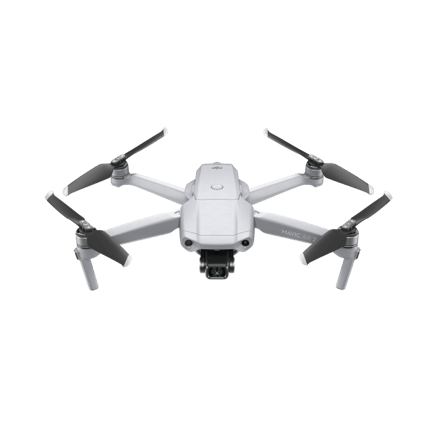
Official manufacturer render of DJI Mavic Air 2.
Photo: DJI · Manufacturer product image; rights remain with the rights holder.
A folding camera drone with a 1/2-inch CMOS sensor and 4K/60fps recording.
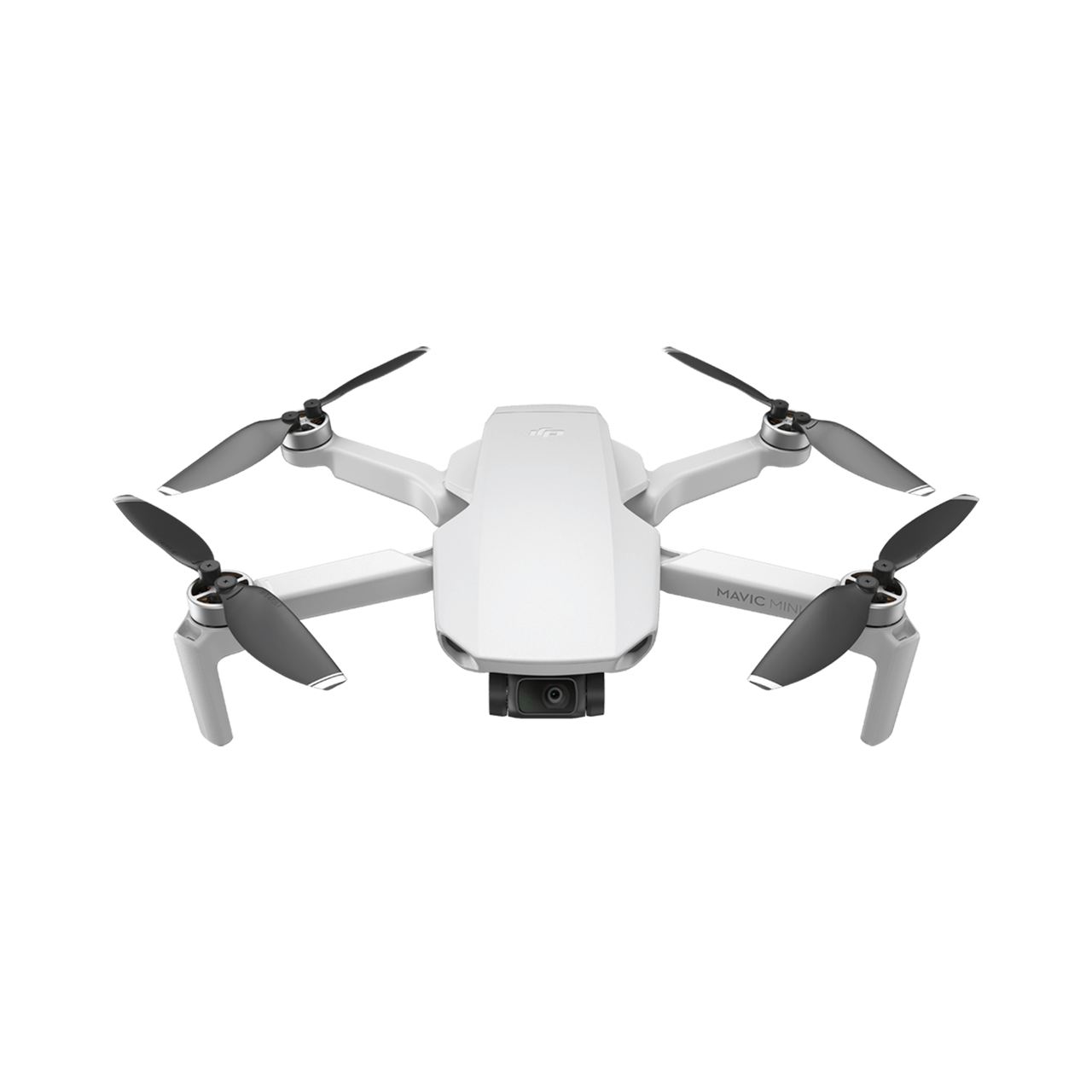
Official DJI product render of Mavic Mini.
Photo: DJI · Manufacturer product image; rights remain with the rights holder.
The original Mavic Mini is a 249 g folding drone with a camera on a three-axis gimbal and 2.7K/30 recording. It folds to 140 × 81 × 57 mm. DJI lists it as no longer available, and it has no obstacle avoidance.
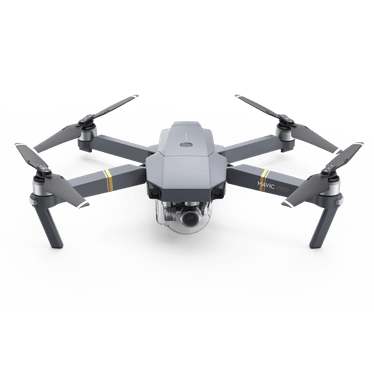
Official DJI product render of Mavic Pro.
Photo: DJI · Manufacturer product image; rights remain with the rights holder.
Mavic Pro introduced DJI’s folding Mavic camera line in 2016. It folds to 198 × 83 × 83 mm; its camera sits on a three-axis gimbal and records UHD 4K/30 or cinema 4K/24. It supports ActiveTrack and GPS/GLONASS positioning. DJI lists it as no longer available.
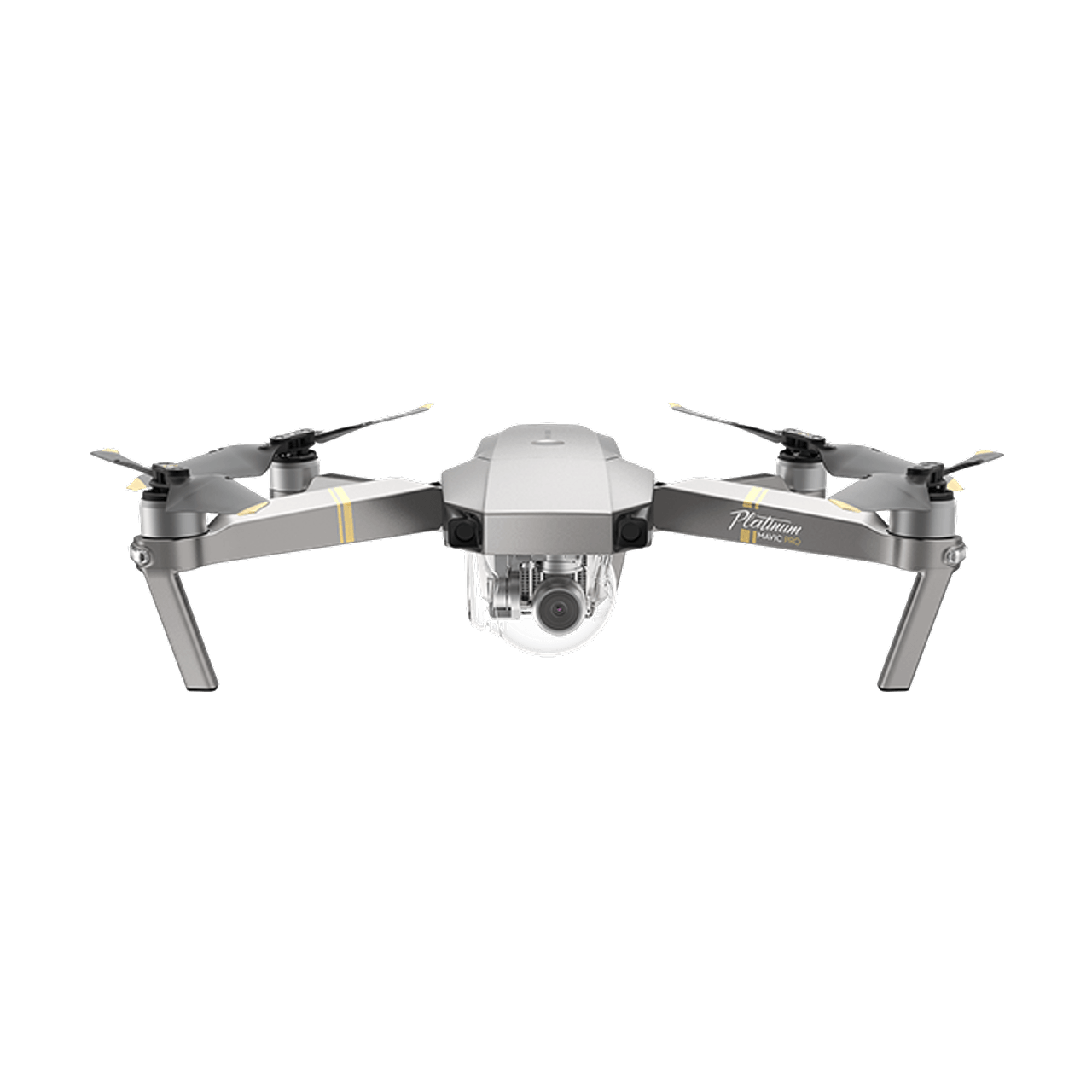
Official DJI product render of Mavic Pro Platinum.
Photo: DJI · Manufacturer product image; rights remain with the rights holder.
Mavic Pro Platinum is the 2017 revision of Mavic Pro, with changes to the propulsion system that reduce noise. It retains the folding body and three-axis 4K camera. DJI rates it for up to 30 minutes of forward flight and 27 minutes of hovering, compared with 27 and 24 minutes for the original Mavic Pro.
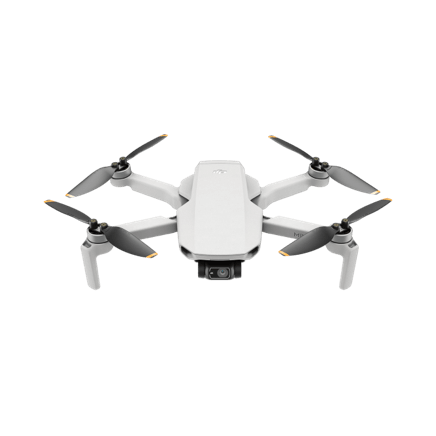
Official manufacturer render of DJI Mini 2.
Photo: DJI · Manufacturer product image; rights remain with the rights holder.
A small folding camera drone with a 1/2.3-inch 12 MP CMOS sensor and 4K/30fps recording.
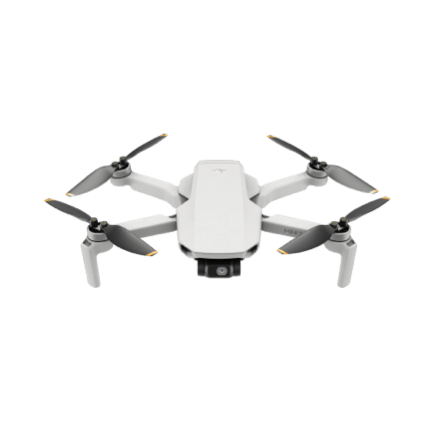
Official manufacturer render of DJI Mini 2 SE.
Photo: DJI · Manufacturer product image; rights remain with the rights holder.
A folding entry camera drone with a three-axis gimbal; its maximum video mode is 2.7K rather than the Mini 4K’s 4K mode.
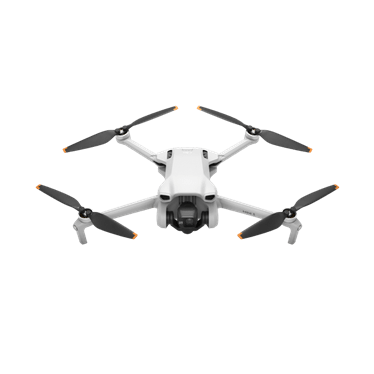
One DJI Mini 3 configuration is shown. Equipment depends on the selected version.
Photo: DJI · Manufacturer product image; rights remain with the rights holder.
A folding camera drone with a 1/1.3-inch sensor and a gimbal that rotates the camera for vertical recording.
Photo: DJI Europe / Mynewsdesk — Media Use · Media Use
A long-term test puts DJI’s camera and wind specifications in context.
ReadPhoto: DJI Europe / Mynewsdesk — Media Use · Media Use
Both drones include obstacle sensing; the X1 adds a larger sensor, LiDAR and internal storage.
ReadPhoto: DJI Europe / Mynewsdesk — Media Use · Media Use
The new drone records a surrounding view that can be reframed after the flight.
ReadPhoto: DJI Europe / Mynewsdesk — Media Use · Media Use
Palm launch, a shooting-mode display and automatic selfie capture lead the follow-me drone’s update.
ReadPhoto: DJI Europe / Mynewsdesk — Media Use · Media Use
The compact camera drone adds a 50MP sensor, portrait shooting and forward-facing LiDAR.
ReadPhoto: DJI Europe / Mynewsdesk — Media Use · Media Use
A new main camera joins two telephoto cameras on the updated folding drone.
ReadPhoto: DJI Europe / Mynewsdesk — Media Use · Media Use
A palm-launch camera drone combines subject tracking with a folding protected design.
ReadPhoto: DJI Europe / Mynewsdesk — Media Use · Media Use
Read the battery, test conditions and return allowance before turning a flight-time claim into a shooting plan.
ReadPhoto: DJI Europe / Mynewsdesk — Media Use · Media Use
Sensor, lens, recording mode and the shape of your finished video reveal more than one resolution number.
ReadPhoto: Bautsch / Wikimedia Commons — CC0 1.0 · CC0 1.0
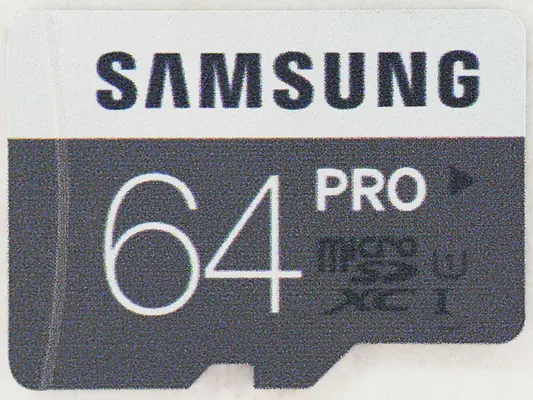
A practical way to read card ratings, estimate recording space and finish a shoot with a checked backup.
Read